

Product guide · Food supplement
Sarma-Com Vita FX Women's Daily 60 caps
Multivitamin for women from Sarma-Com, 60 capsules. This guide sets out what the manufacturer states about the composition of Sarma-Com Vita FX Women's Daily 60 caps, what independent research says about its main ingredients, and the safety and regulatory points that apply.
Back to the product- Named ingredients
- 10
- Amounts stated
- All
- Status
- Food supplement
- Evidence summaries
- 10
Overview
Manufacturer informationIngredients & composition
Manufacturer information| Ingredient | Amount |
|---|---|
| Vitamin A | 10,000 IU |
| Vitamin C | 300 mg |
| Vitamin E | 400 IU |
| Vitamin K | 50 mcg |
| Folate | 400 mcg |
| Boron | 1 mg |
| Calcium | 100 mg |
| Iodide | 225 mg |
| Magnesium (from magnesium oxide, chelate, stearate) | 200 mg |
| Copper (from copper citrate) | 1 mg |
Scientific background
Independent researchVitamin A (retinol, beta-carotene)
Vitamin A is needed for vision, immune function and skin. EFSA set population reference intakes of 750 µg retinol equivalents a day for men and 650 µg for women1. Beta-carotene is a plant precursor the body converts to vitamin A.
Vitamin C (ascorbic acid)
Vitamin C is a water-soluble vitamin needed for collagen formation, immune function and iron absorption. EFSA set population reference intakes of 110 mg a day for men and 95 mg a day for women2.
Vitamin E (α-tocopherol)
Vitamin E is a fat-soluble antioxidant. EFSA set adequate intakes of 13 mg a day for men and 11 mg a day for women, as α-tocopherol3. Vitamin E TPGS is a water-soluble form used as an ingredient and absorption enhancer.
Vitamin K (K1 / K2, menaquinone)
Vitamin K is needed for blood clotting and for proteins involved in bone metabolism. It exists as phylloquinone (K1, from leafy vegetables) and menaquinones (K2, such as MK-7)4.
Folate (folic acid, methylfolate)
Folate is a B vitamin needed for cell division and red blood cell formation. EFSA derived a population reference intake from biomarkers of folate status5.
Boron
Boron is a trace element found in fruit, vegetables and nuts. It is not established as essential for humans.
Calcium
Calcium is the main mineral of bones and teeth and is needed for muscle and nerve function. EFSA based its adult reference values on calcium balance studies6.
Iodine (iodide)
Iodine is essential for thyroid hormones. EFSA set an adequate intake of 150 µg a day for adults and 200 µg during pregnancy7.
Magnesium
Magnesium is an essential mineral involved in hundreds of enzyme reactions, including energy metabolism, muscle contraction and nerve function8.
EFSA set adequate intakes of 350 mg a day for men and 300 mg a day for women, from all sources9. Supplements supply magnesium bound to different partners, such as oxide, citrate or glycinate. Labels should state the amount of elemental magnesium, which is lower than the weight of the compound.
Copper
Copper is an essential trace element for enzymes involved in iron metabolism, connective tissue and antioxidant defence. EFSA set adequate intakes for adults based on observed intakes in the EU10.
Research evidence
Independent researchVitamin A (retinol, beta-carotene)
Authorised EU claims include that vitamin A contributes to the maintenance of normal vision, skin and immune function11.
Vitamin C (ascorbic acid)
Authorised EU claims include that vitamin C contributes to normal collagen formation, normal immune function, the reduction of tiredness and fatigue, and increased iron absorption11.
Vitamin E (α-tocopherol)
The EU authorises the claim that vitamin E contributes to the protection of cells from oxidative stress11. Benefits of high-dose supplements beyond meeting needs are not established.
Vitamin K (K1 / K2, menaquinone)
Authorised EU claims include that vitamin K contributes to normal blood clotting and to the maintenance of normal bones11.
Folate (folic acid, methylfolate)
Authorised EU claims include that folate contributes to normal blood formation, the reduction of tiredness and fatigue, and maternal tissue growth during pregnancy11.
Boron
A small study reported increased free testosterone after one week of boron supplementation12. Larger controlled trials are lacking.
Calcium
Authorised EU claims include that calcium is needed for the maintenance of normal bones and teeth and contributes to normal muscle function11.
Iodine (iodide)
Authorised EU claims include that iodine contributes to the normal production of thyroid hormones and normal thyroid function11.
Magnesium
Authorised EU claims include that magnesium contributes to a reduction of tiredness and fatigue, to normal muscle function and to normal functioning of the nervous system, for foods that are a source of magnesium11.
For exercise performance, a review found that supplementation may help people with low magnesium status or older adults, but found no clear benefit in people who already have enough magnesium13.
Copper
Authorised EU claims include that copper contributes to normal connective tissue, normal iron transport and the protection of cells from oxidative stress11.
Evidence limitations
Independent researchThe studies summarised in this guide examined single ingredients. No published study has tested this product or this combination of ingredients.
Vitamin A (retinol, beta-carotene)
Benefits beyond meeting needs are not established.
Vitamin C (ascorbic acid)
Intakes above needs are largely excreted; extra benefit from high doses is not established.
Vitamin E (α-tocopherol)
Most people in the EU meet their needs from food3.
Vitamin K (K1 / K2, menaquinone)
Evidence that extra vitamin K improves bone or heart outcomes in people who are not deficient is limited.
Folate (folic acid, methylfolate)
Extra benefit beyond adequate status is not established, except for women planning pregnancy.
Boron
The evidence comes from very small studies12.
Calcium
Benefits beyond adequate intake are not established.
Iodine (iodide)
Benefits beyond adequate intake are not established.
Magnesium
Many studies on magnesium and health are observational or involve people with low magnesium status, so their findings do not show that extra magnesium helps people who are not deficient138.
Copper
Supplements are mainly used to balance high zinc intakes.
Safety & potential risks
- Do not exceed the recommended daily dose.
- Food supplements should not be used as a substitute for a varied and balanced diet and a healthy lifestyle.
- Keep out of the reach of young children.
Vitamin A (retinol, beta-carotene)
The EU Scientific Committee on Food set a tolerable upper intake level of 3000 µg of preformed vitamin A (retinol) a day for adults14. High intakes are harmful in pregnancy. High-dose beta-carotene supplements are not advised for smokers.
Vitamin C (ascorbic acid)
No tolerable upper intake level has been set; high doses can cause digestive upset. People with a history of kidney stones or iron overload should ask a doctor before taking high doses.
Vitamin E (α-tocopherol)
The EU Scientific Committee on Food set a tolerable upper intake level of 300 mg a day for adults14. High doses may increase bleeding risk in people taking anticoagulants.
Vitamin K (K1 / K2, menaquinone)
People taking warfarin or other vitamin K antagonist anticoagulants must not start or change vitamin K supplements without medical advice, because vitamin K counteracts these medicines.
Folate (folic acid, methylfolate)
The EU Scientific Committee on Food set an upper level of 1000 µg a day for folic acid from supplements and fortified foods, because high intakes can mask vitamin B12 deficiency14.
Boron
EFSA set a tolerable upper intake level of 10 mg of boron a day for adults14.
Calcium
The EU Scientific Committee on Food set an upper level of 2500 mg a day from all sources14.
Iodine (iodide)
The EU Scientific Committee on Food set an upper level of 600 µg a day for adults14. People with thyroid disease should only take iodine supplements on medical advice.
Magnesium
The EU Scientific Committee on Food set a tolerable upper intake level of 250 mg a day for magnesium from supplements and fortified foods (readily dissociable salts and compounds such as magnesium oxide), based on mild, reversible diarrhoea as the most sensitive effect. Magnesium in normal food is not included14.
People with impaired kidney function can accumulate magnesium and should only supplement under medical advice. Magnesium can reduce the absorption of some antibiotics and osteoporosis medicines, so separate them by several hours or ask a pharmacist8.
Copper
The EU Scientific Committee on Food set an upper level of 5 mg a day for adults14.
Regulatory status
Sold as a food supplement. No health claims are made for this product.
Vitamin A (retinol, beta-carotene)
It is a permitted nutrient in EU food supplements15; authorised claims may only be used in their approved wording11.
Vitamin C (ascorbic acid)
It is a permitted nutrient in EU food supplements15; authorised claims may only be used in their approved wording and when the product is at least a source of the nutrient11.
Vitamin E (α-tocopherol)
It is a permitted nutrient in EU food supplements15; authorised claims may only be used in their approved wording and when the product is at least a source of the nutrient11.
Vitamin K (K1 / K2, menaquinone)
It is a permitted nutrient in EU food supplements15; authorised claims may only be used in their approved wording and when the product is at least a source of the nutrient11.
Folate (folic acid, methylfolate)
It is a permitted nutrient in EU food supplements15; authorised claims may only be used in their approved wording11.
Boron
Boron is permitted as a mineral in EU food supplements15. No health claim for boron is authorised11.
Calcium
It is a permitted nutrient in EU food supplements15; authorised claims may only be used in their approved wording11.
Iodine (iodide)
It is a permitted nutrient in EU food supplements15; authorised claims may only be used in their approved wording11.
Scientific references
- EFSA NDA Panel. Scientific Opinion on Dietary Reference Values for vitamin A. EFSA Journal. 2015;13:4028. DOI 10.2903/j.efsa.2015.4028
- EFSA NDA Panel. Scientific Opinion on Dietary Reference Values for vitamin C. EFSA Journal. 2013;11:3418. DOI 10.2903/j.efsa.2013.3418
- EFSA NDA Panel. Scientific Opinion on Dietary Reference Values for vitamin E as α-tocopherol. EFSA Journal. 2015;13:4149. DOI 10.2903/j.efsa.2015.4149
- EFSA NDA Panel. Dietary reference values for vitamin K. EFSA Journal. 2017;15:4780. DOI 10.2903/j.efsa.2017.4780
- EFSA NDA Panel. Scientific Opinion on Dietary Reference Values for folate. EFSA Journal. 2014;12:3893. DOI 10.2903/j.efsa.2014.3893
- EFSA NDA Panel. Scientific Opinion on Dietary Reference Values for calcium. EFSA Journal. 2015;13:4101. DOI 10.2903/j.efsa.2015.4101
- EFSA NDA Panel. Scientific Opinion on Dietary Reference Values for iodine. EFSA Journal. 2014;12:3660. DOI 10.2903/j.efsa.2014.3660
- Fiorentini D, Cappadone C, Farruggia G, et al. Magnesium: biochemistry, nutrition, detection, and social impact of diseases linked to its deficiency. Nutrients. 2021;13:1136. PubMed 33808247
- EFSA Panel on Dietetic Products, Nutrition and Allergies. Scientific Opinion on Dietary Reference Values for magnesium. EFSA Journal. 2015;13(7):4186. DOI 10.2903/j.efsa.2015.4186
- EFSA NDA Panel. Scientific Opinion on Dietary Reference Values for copper. EFSA Journal. 2015;13:4253. DOI 10.2903/j.efsa.2015.4253
- Commission Regulation (EU) No 432/2012 establishing a list of permitted health claims made on foods. Official Journal of the European Union. Source
- Naghii MR, Mofid M, Asgari AR, et al. Comparative effects of daily and weekly boron supplementation on plasma steroid hormones and proinflammatory cytokines. J Trace Elem Med Biol. 2011;25:54-58. PubMed 21129941
- Zhang Y, Xun P, Wang R, et al. Can magnesium enhance exercise performance? Nutrients. 2017;9:946. PubMed 28846654
- Scientific Committee on Food / EFSA. Tolerable Upper Intake Levels for Vitamins and Minerals. European Food Safety Authority; 2006. Source
- Directive 2002/46/EC on the approximation of the laws of the Member States relating to food supplements. Official Journal of the European Union. Source
Sources checked against PubMed, Crossref or the official publisher on 2026-11-04. Manufacturer information is taken from the product's own data and has not been independently tested.
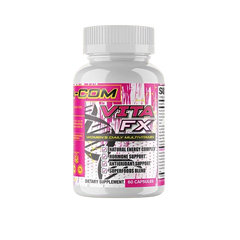
The product
Sarma-Com Vita FX Women's Daily 60 caps
€25,00 · Sold out